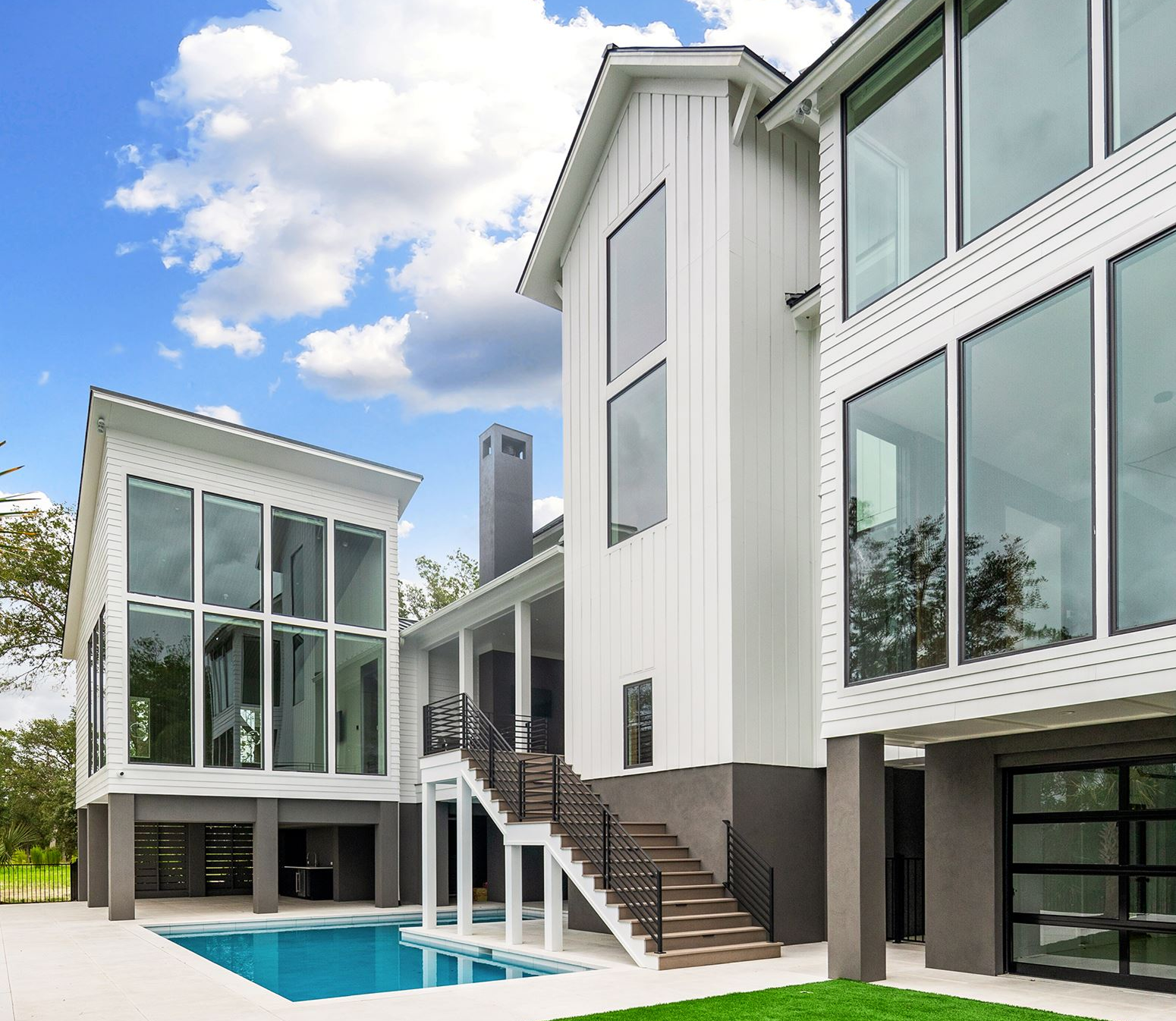
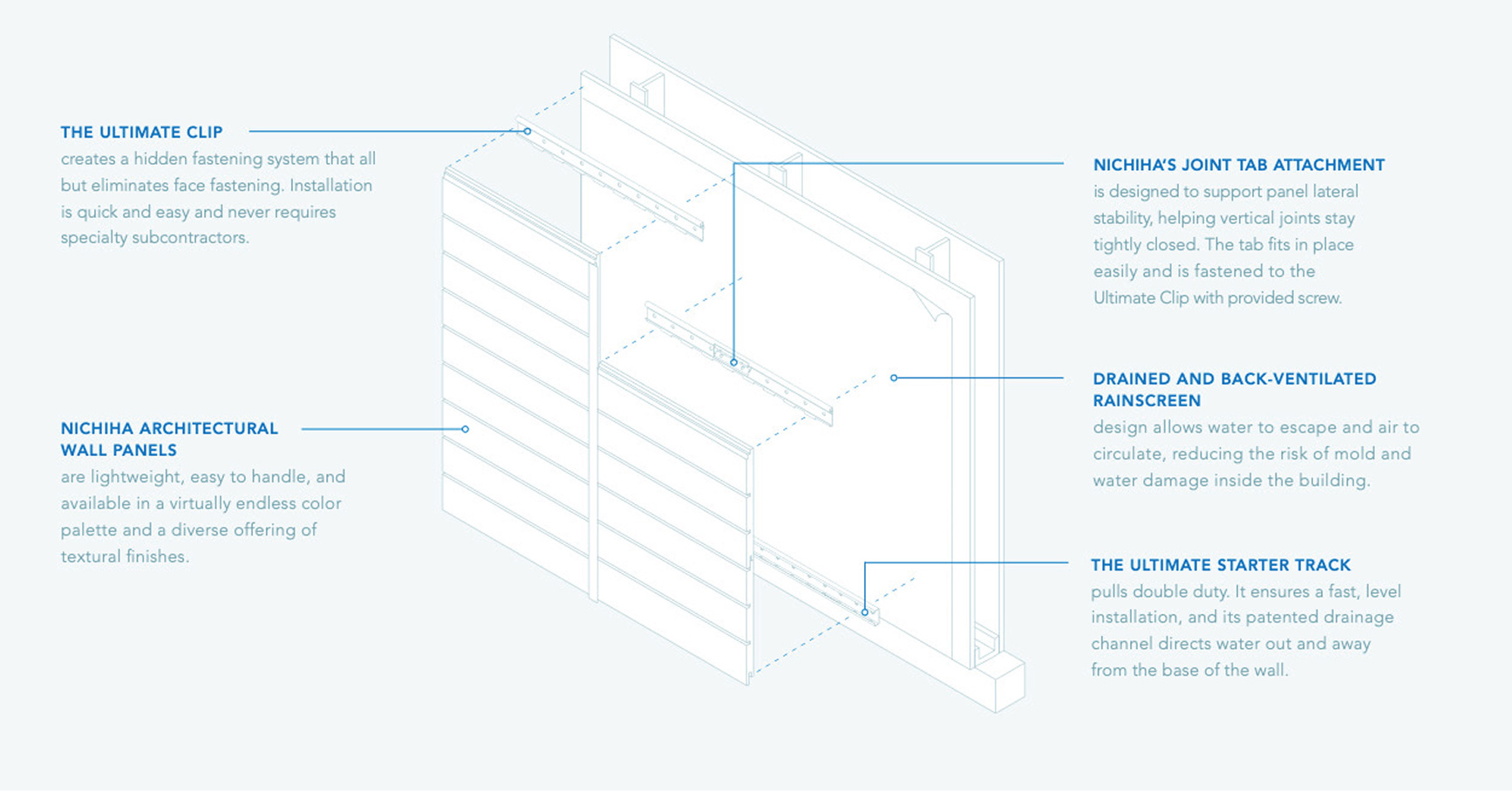
Savannah Smooth brings a refined take on classic lap siding. Below are some useful FAQs on the performance and design flexibility of this smooth fiber cement plank siding.
What is Savannah Smooth, and what kind of lap siding look does it create?
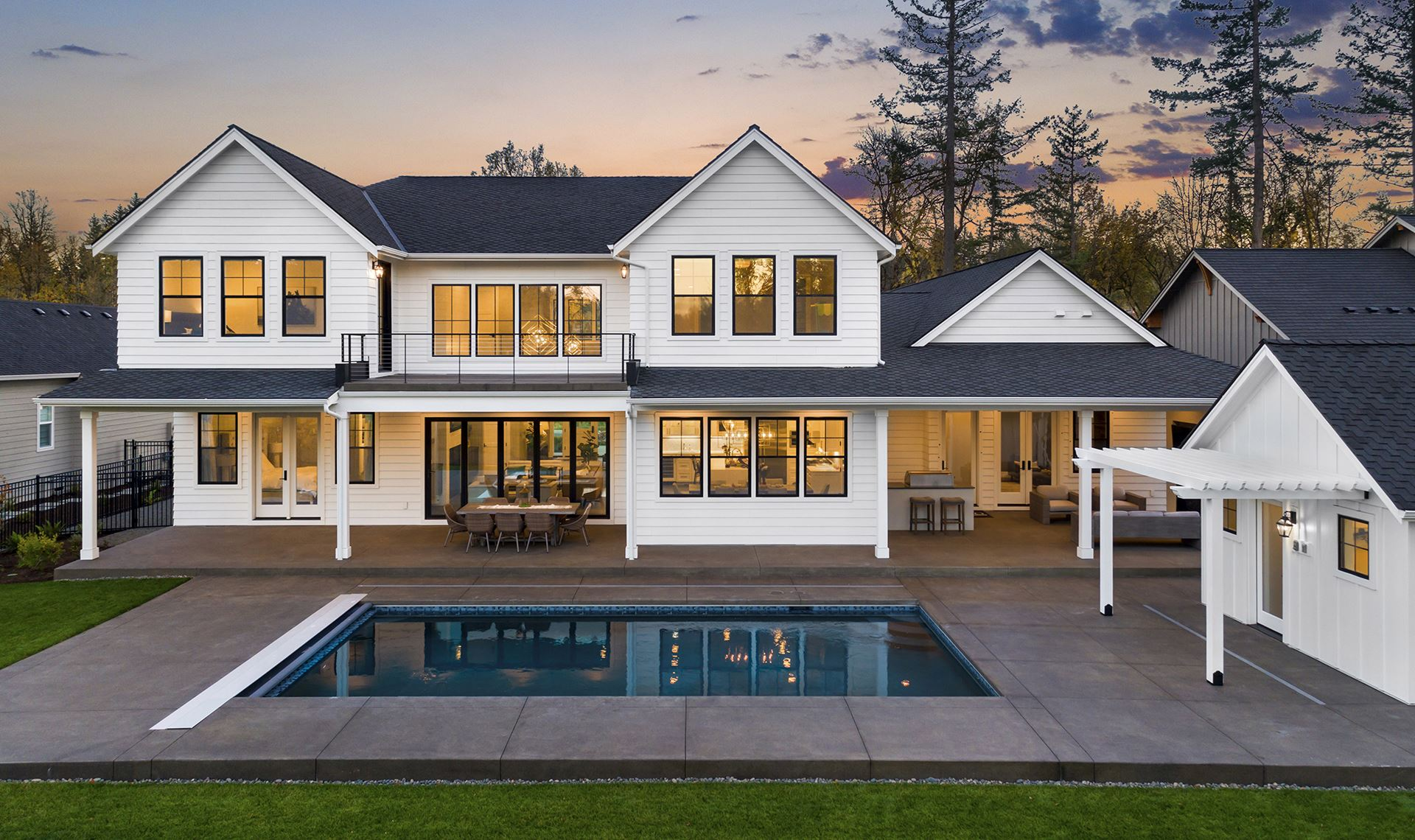
Savannah Smooth is a premium, smooth fiber cement lap siding option designed to deliver the classic plank siding look with clean, consistent lines. With Nichiha Savannah Smooth siding, each course seems calm and carefully designed—more like a composed façade than a busy patchwork of siding materials. The result is smooth lap siding that feels crisp at elevation scale, with shadow lines that add depth without relying on heavy texture.
Savannah Smooth lap siding works especially well when you want a refined exterior cladding surface that still feels familiar—an updated take on traditional lap siding that can complement a wide range of home styles.
How does smooth fiber cement lap siding compare to traditional wood lap siding for long-term performance?
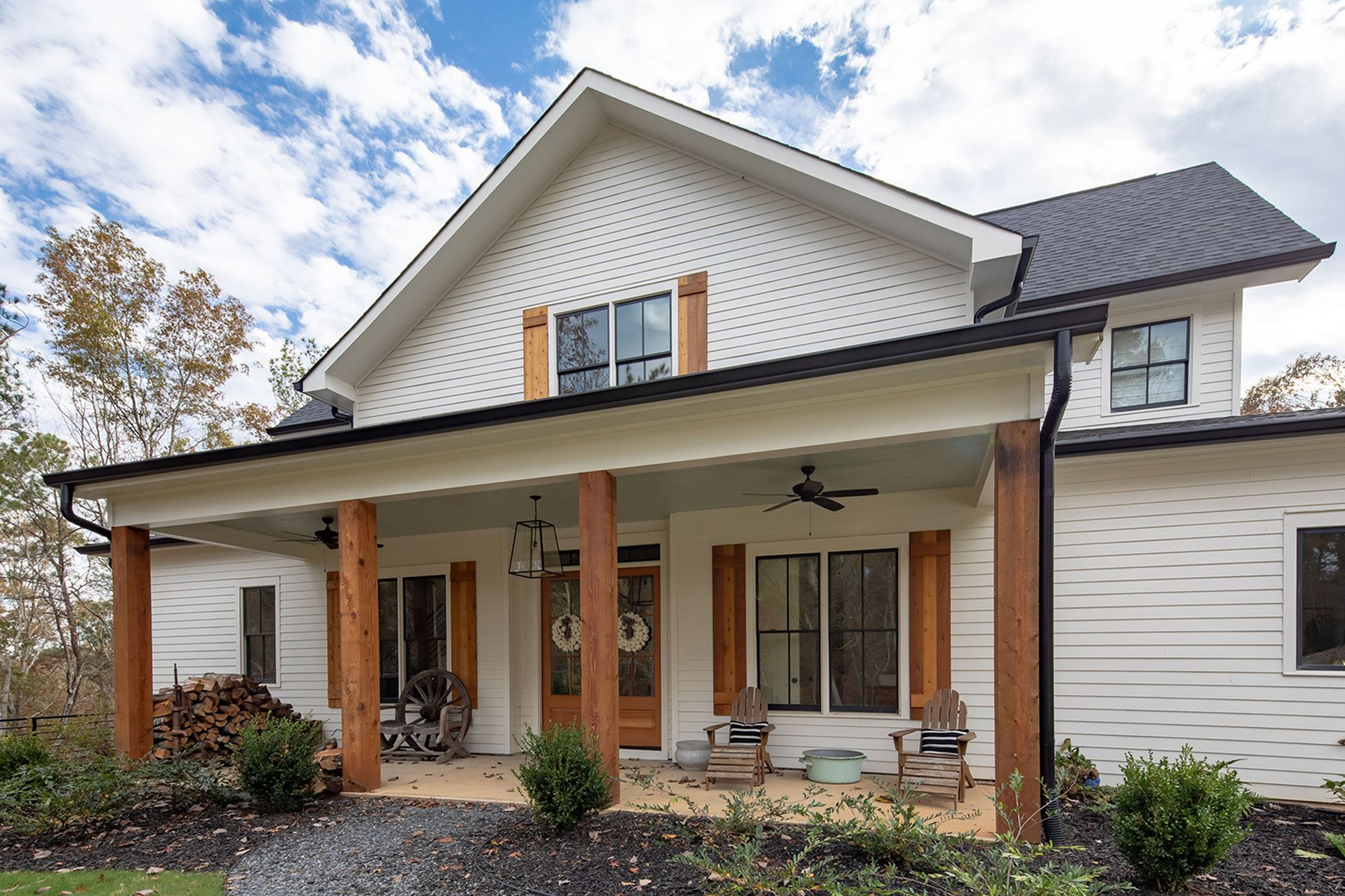
Fiber cement lap siding is chosen for the aesthetic of traditional wood, paired with a more stable material profile for long-term exterior performance. Traditional wood can deliver warmth and character, but natural wood also brings ongoing upkeep—and, in some conditions, greater vulnerability to rotting, pests, and moisture-related wear over time.
Savannah Smooth is often selected when the job calls for a low-maintenance plank siding exterior. At roughly 3.1 pounds per square foot, the fiber cement composition provides a dense surface designed for long-term durability. For homeowners concerned about maintenance, it can be a practical path to protect your home while keeping the visual simplicity of a smooth, modern plank siding façade.
What project types and architectural styles are a strong fit for Savannah Smooth lap siding?
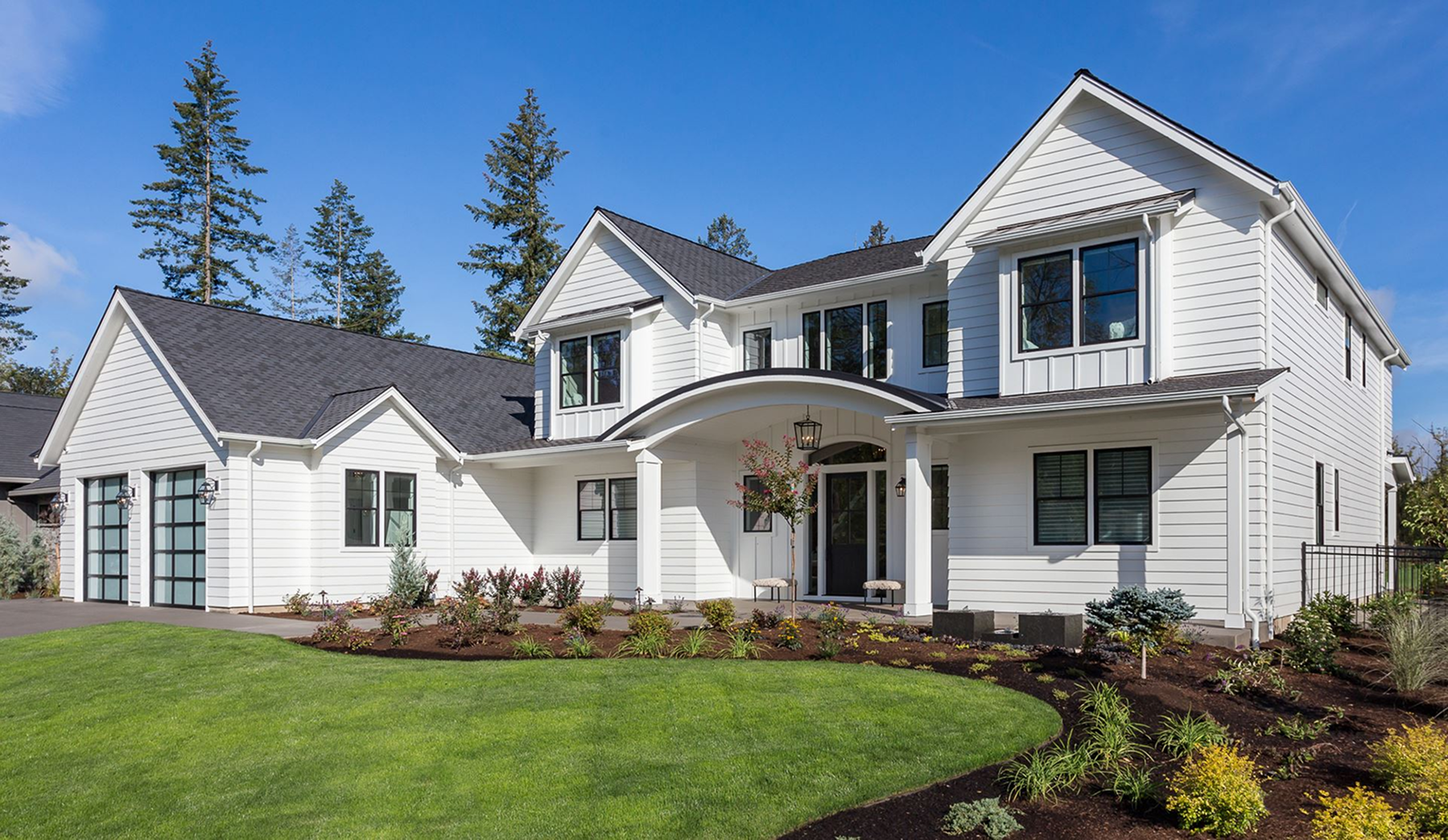
Savannah Smooth is a strong fit for projects that want a clean-lined plank siding exterior with a classic lap-siding rhythm and a modern finish. It can look traditional or contemporary depending on the broader composition—window proportions, trim approach, color selection, and material pairings.
Designers and builders often use Nichiha lap siding on full elevations to create a unified field, or as an exterior cladding layer that balances other surfaces like masonry or stone. In other words, Savannah Smooth gives teams design options that work across a wide range of residential applications—new builds, renovations, and additions where consistency and long-term durability are important.
How do crisp edges and board thickness influence shadow lines and the overall façade appearance?
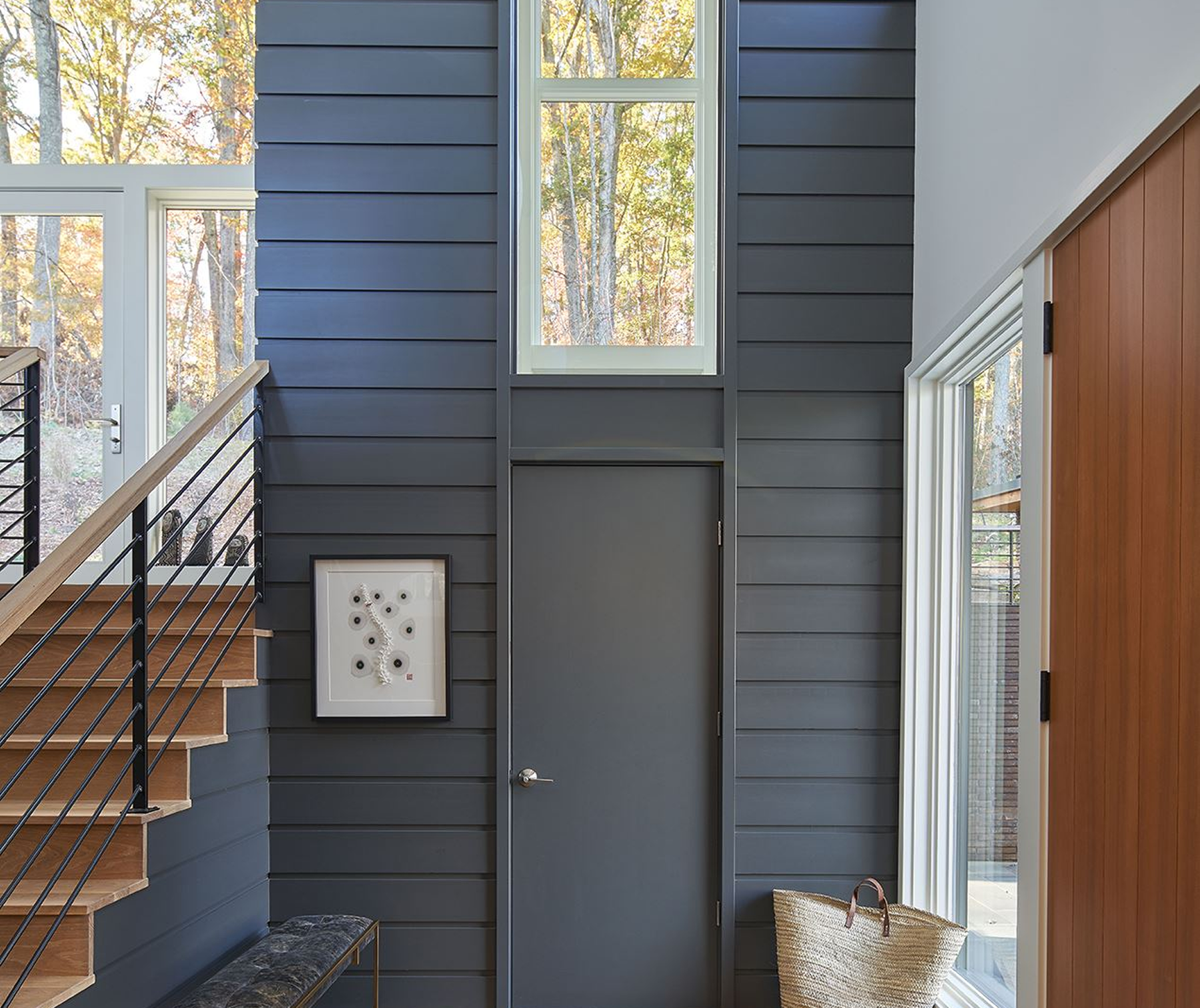
Crisp edges and board thickness help make shadow lines feel more defined, which is a big part of why smooth lap siding can look so clean and architectural. In classic lap siding, the overlap creates a repeating reveal that shapes the elevation—those subtle transitions from light to shade are what keep “simple” from looking flat.
With Savannah Smooth, the smooth face keeps the emphasis on proportion and alignment, so the façade reads as orderly from the street. Savannah Smooth boards are approximately ½ inch thick, which gives the siding a more substantial edge profile and also allows mitered-style outside corners for a cleaner corner treatment. This is one reason smooth fiber cement plank siding is often preferred—when details are restrained, the quality of the lines matters more, and the siding delivers that clarity.
Why choose Nichiha lap siding when you want a smooth, modern plank siding exterior?
Choose Nichiha when you want a smooth fiber cement siding look that stays crisp over time and supports a durable, low-maintenance exterior cladding strategy. Nichiha Savannah Smooth siding is designed for teams who care about the finish as much as the performance—homeowners who want an exterior that protects your home, and design professionals who want consistent lines across larger elevations.
Compared with many plank siding choices, smooth fiber cement lap siding can be a smart middle ground—clean and modern, but not stark. It also supports confidence around everyday durability themes like impact resistance, and it can complement larger project goals tied to fire-resistant material considerations.